'/%3E%3C/svg%3E)
'/%3E%3Cpath%20d='m454%20250-4%204-4-4c-3%203-9%205-9%205l2-5q-9%205-10%203c-1-1%2010-12%2012-26%200-1%203-18-8-13-2%201-4-5%200-7%203-2%2010-1%2011%200q1-2%203-2c2%200%2011%201%2014%206%202%205%202%2014%202%2015q0%2015%208%2027c-1%201-8-2-8-2v3s-7-2-9-4m-12-32c4%2014-9%2031-11%2033%2011%200%2012-10%2015-24l1%201c-2%2011-5%2022-8%2025l7-4%203-22h1l-3%2022%203%203%203-3-1-21h1l1%2021%208%203c-5-8-6-25-6-23h1c2%2012%203%2022%2012%2022-3-3-8-16-7-25q0-12-2-15-6-3-10%202-2%202-5-1c-2-2-1-2-6-4q-7-2-6%205s9-3%2013%205zm7-8q-3%201-1%202%203%200%201-2'/%3E%3C/g%3E%3C/svg%3E)
Vibration Screens
📝 Machine Overview
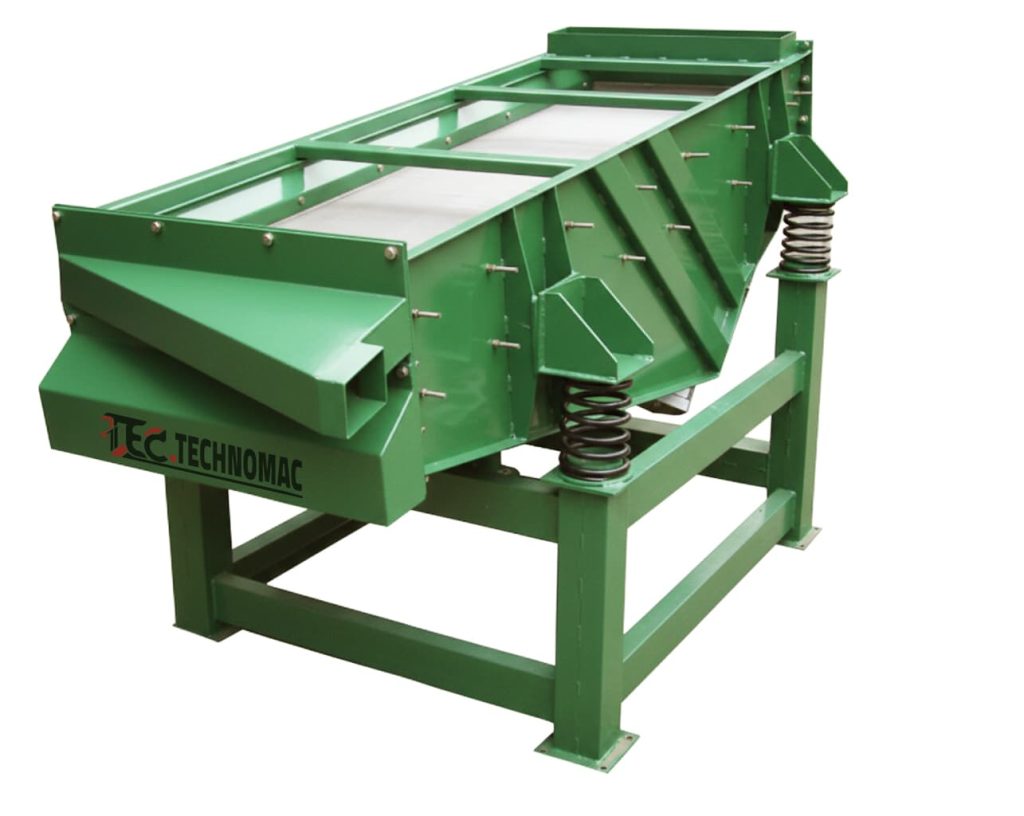
Vibrating Screens are high-capacity, mechanical separation machines designed to classify, size, dewater, scalp, or de-dust bulk materials by particle size. Utilizing controlled vibration to stratify and convey material across screen surfaces, they are essential for ensuring product uniformity, improving process efficiency, and protecting downstream equipment. Our vibrating screens are engineered for robust performance, minimal maintenance, and precise separation in the most abrasive and demanding applications.
Sizing & Classification: Separating crushed minerals, aggregates, sand, and industrial powders into specific size fractions.
Scalping: Removing oversized material before primary crushers or process equipment.
Dewatering: Draining free moisture from sand, coal, minerals, and industrial slurries.
Rinsing & Washing: Removing clays, solubles, or contaminants from aggregates and ores.
Media Recovery: Separating grinding media (balls, chips) from milled product in milling circuits.
Trash & Foreign Object Removal: Protecting processing lines in food, plastics, and recycling industries.
Mining & Quarrying
Aggregate & Construction Materials
Recycling & Waste Processing
Chemical & Fertilizer Production
Food & Grain Processing
Plastics & Pharmaceuticals (powders)
Pulp & Paper
Metallurgy & Foundries
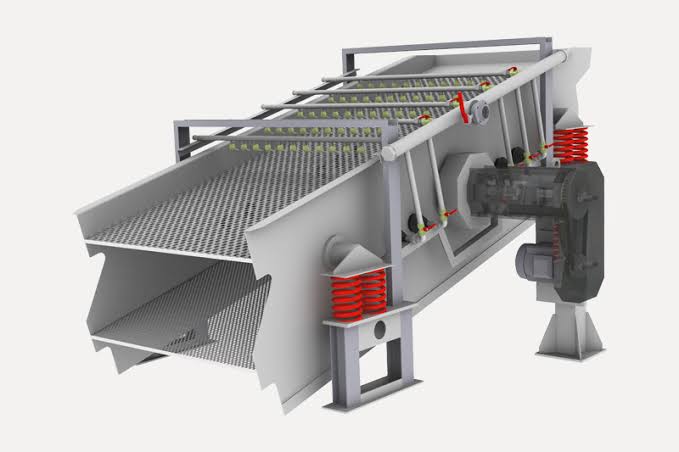
Material is fed onto the screen surface (deck), which is mounted on a vibrating frame. Eccentric weights, rotating on one or more shafts, or linear electromagnetic drives impart a rapid, multi-planar vibratory motion. This motion stratifies the material (fines move downward, oversize upward) and conveys it across the deck. Particles smaller than the screen aperture pass through as “unders,” while larger particles travel to the discharge end as “overs.” The intensity, frequency, and trajectory of vibration are precisely tuned to the material characteristics.
Circular Motion Screens: Generated by a single shaft with eccentric weights. Provides a circular throwing motion, ideal for medium to coarse sizing, high capacity, and inclined operation.
Linear Motion Screens: Employ dual, counter-rotating shafts to create a straight-line vibratory motion. Excellent for dewatering, fines removal, and accurate sizing of sticky or damp materials on horizontal or slightly inclined decks.
Elliptical Motion Screens: A variation offering a combination of throwing and conveying actions, beneficial for difficult-to-screen materials and high-capacity applications.
High-Frequency Screens: Utilize high-speed, low-amplitude vibration, often with electromagnetic drives, for fine separations (<1mm) and dewatering of slurries.
Flip-Flow / Tensioned Deck Screens: Use flexible polyurethane decks under high tension, actuated by a violent snapping motion, to screen highly adhesive, blinding, or fine (<0.5mm) materials.
⚙️ Technical Specifications & Features
" Core Technical Specifications "
| Parameter | Specification Range | |
|---|---|---|
|
1 |
Screen Type |
Linear, Circular, Elliptical, High-Frequency.
|
|
2 |
Deck Configuration |
Single, Double, Triple, or Multi-Deck (up to 4).
|
|
3
|
Screen Box Size (W x L) |
1m x 2m to 3.5m x 10m+ (custom sizes available).
|
|
4
|
Drive Mechanism |
Dual unbalanced shaft (linear/circular), electromagnetic vibrator.
|
|
5 |
Motor Power |
2 x 3 kW to 2 x 55 kW (depending on size and application).
|
|
6
|
Vibration Frequency |
700 to 3600 RPM (12-60 Hz).
|
|
7 |
Amplitude (Stroke) |
1 mm to 12 mm (adjustable via counterweight positioning).
|
|
8 |
Deck Angle |
Fixed or adjustable, typically 0° to 25° from horizontal.
|
|
9 |
Screen Media |
Wire mesh (high-carbon, stainless steel), polyurethane modular panels, rubber panels, perforated plate.
|
|
10 |
Aperture Size Range |
0.1 mm (100 micron) to 300+ mm.
|
|
11 |
Construction |
Robust steel frame with high-stress components in high-yield steel; abrasion-resistant liners.
|
|
12 |
Bearings |
Heavy-duty spherical roller bearings with labyrinth seals.
|
|
13 |
Springs / Mounting |
Coil springs, rubber buffers, or air springs for isolation.
|
|
14 |
Dust Enclosure |
Fully enclosed design with multiple inlet/outlet connections.
|
" Advanced Technical Features "
Core Features
Optimized Vibration Dynamics: Precisely calculated mass, stroke, and frequency ensure efficient material stratification and transport without plugging or excessive deck wear.
Quick-Change Screen Media System: Modular tensioning systems (hook-strip, bolt-down) allow for rapid panel or mesh replacement, minimizing downtime.
Heavy-Duty, Serviceable Design: Split housings on vibrator units allow for easy bearing inspection/replacement. Grease lubrication lines for remote servicing.
Effective Vibration Isolation: Rubber mounts or coil springs isolate up to 95% of dynamic forces from the supporting structure, reducing foundation costs and environmental vibration.
Abrasion & Corrosion Resistance: Critical wear areas protected by replaceable abrasion-resistant steel (AR400/500) or polyurethane liners.
Modular & Scalable Design: Standardized widths and lengths allow for system expansion. Pre-tensioned decks ensure flat, consistent screening surface.
Competitive Advantages
High Capacity & Screening Efficiency: Advanced motion profiles and deck design maximize throughput and accurate separation, directly improving product quality and yield.
Exceptional Availability & Uptime: Simple, robust mechanical design with readily available components results in high Mean Time Between Failures (MTBF) and easy maintenance.
Reduced Total Cost of Ownership: Durable construction, long-life screen media, and energy-efficient drives lower operating and replacement costs over the machine’s lifecycle.
Application-Specific Engineering: We design screens based on your specific material analysis (size distribution, moisture, abrasiveness) rather than offering a one-size-fits-all solution.
System Integration Expertise: We provide complete screening systems, including feed hoppers, conveyors, chutes, dust enclosures, and support structures for a turnkey installation.
Installation & Operational Considerations
Installation requires a substantial, level foundation designed to handle dynamic loads. Proper feeding (centered and controlled rate) is critical to performance and screen life. Operational success depends on selecting the correct screen media type and aperture for the desired cut point. We provide full installation drawings, commissioning support, and operational guidance to optimize amplitude, frequency, and deck angle.