'/%3E%3C/svg%3E)
'/%3E%3Cpath%20d='m454%20250-4%204-4-4c-3%203-9%205-9%205l2-5q-9%205-10%203c-1-1%2010-12%2012-26%200-1%203-18-8-13-2%201-4-5%200-7%203-2%2010-1%2011%200q1-2%203-2c2%200%2011%201%2014%206%202%205%202%2014%202%2015q0%2015%208%2027c-1%201-8-2-8-2v3s-7-2-9-4m-12-32c4%2014-9%2031-11%2033%2011%200%2012-10%2015-24l1%201c-2%2011-5%2022-8%2025l7-4%203-22h1l-3%2022%203%203%203-3-1-21h1l1%2021%208%203c-5-8-6-25-6-23h1c2%2012%203%2022%2012%2022-3-3-8-16-7-25q0-12-2-15-6-3-10%202-2%202-5-1c-2-2-1-2-6-4q-7-2-6%205s9-3%2013%205zm7-8q-3%201-1%202%203%200%201-2'/%3E%3C/g%3E%3C/svg%3E)
Written by: Technomac Experts | October 20, 2025
Introduction
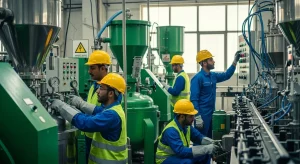
The world of production line design is changing faster than ever. Once driven by mechanical precision and manual coordination, modern manufacturing now blends data, automation, and sustainability into one connected ecosystem.
Today, engineers no longer just build machines—they design intelligent systems that think, adapt, and evolve.
This article explores how innovation is shaping the future of production line design, and how smart technologies are redefining efficiency, flexibility, and human collaboration in the industrial landscape.
1. Smart Automation and Connected Systems
Smart automation is revolutionizing production line design.
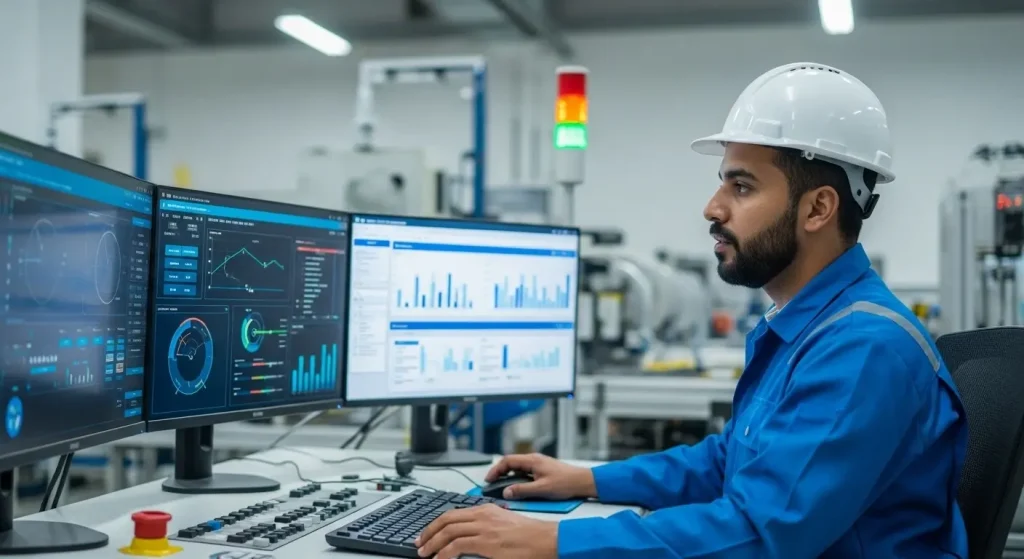
Machines, robots, and sensors now communicate through the Internet of Things (IoT), creating real-time visibility across every stage of manufacturing.
With data-driven insights, factories can predict equipment issues, optimize workflow, and reduce downtime.
This connectivity not only boosts productivity but also improves quality control—ensuring every process runs with minimal waste and maximum precision.
2. AI and Data-Driven Optimization
Artificial Intelligence (AI) is no longer a luxury—it’s a necessity in modern production line design.
AI algorithms analyze vast amounts of data to identify inefficiencies and suggest real-time adjustments.
For example, predictive maintenance powered by machine learning can detect mechanical anomalies before they become costly breakdowns.
This proactive approach transforms production from reactive to predictive, saving both time and resources while maximizing uptime.
3. Sustainability at the Core
Future-ready factories are built around sustainability.
Modern production line design focuses on energy efficiency, material recycling, and carbon reduction.
Lightweight structures, smart power systems, and circular design models are helping manufacturers achieve greener operations without sacrificing performance.
In the new era of industrial innovation, “sustainability” is not just an environmental goal—it’s a competitive advantage.
4. Human-Centric and Adaptive Systems
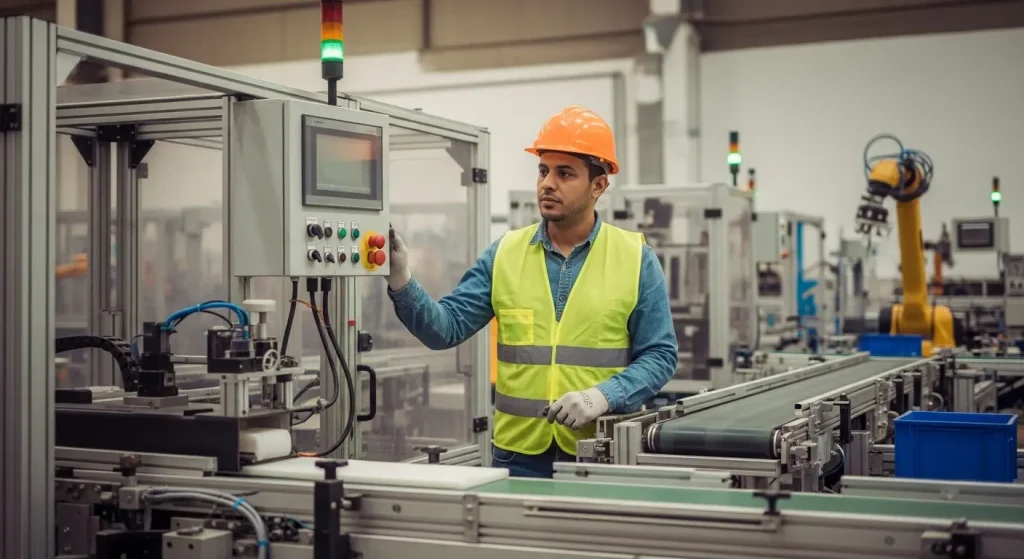
Despite the rise of automation, humans remain at the heart of industrial design.
The next generation of production line design emphasizes safety, ergonomics, and collaboration.
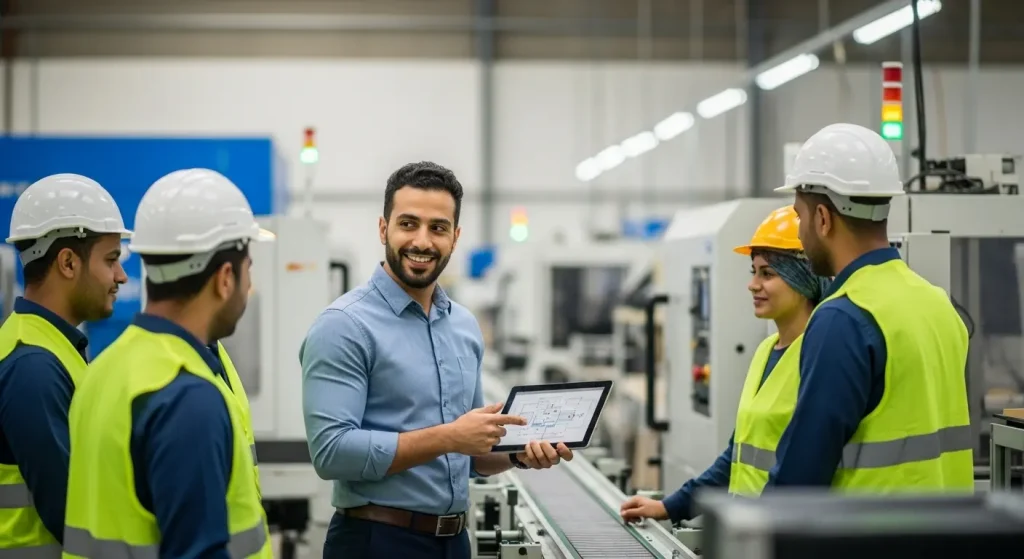
Instead of replacing workers, smart systems assist them—reducing physical strain and improving decision-making.
Human-machine interaction is becoming more intuitive, enabling engineers and operators to focus on creative problem-solving rather than repetitive tasks.
5. The Rise of Modular and Flexible Lines
Static production lines are being replaced by modular systems that can easily adapt to new products or demand changes.
This flexibility allows manufacturers to reconfigure production quickly—an essential advantage in industries where customization and speed are key.
By combining modular hardware with software-driven control, modern production line design ensures that factories remain agile and future-proof.
Conclusion
The future of production line design is intelligent, sustainable, and human-centered.
Through AI, automation, and innovative engineering, factories are transforming into dynamic ecosystems that continuously learn and evolve.
As industries move toward digital transformation, the real success will belong to those who design with both technology and people in mind—creating production systems that are not just efficient, but truly smart.
Ready to build your production line?
Our experts design and build custom industrial machines tailored to your needs.