Written by: Technomac Experts | October 25, 2025
Introduction
In the world of modern engineering and manufacturing, safety is not merely a regulatory obligation — it is a foundational principle that defines product integrity, workforce protection, and the long-term sustainability of industrial operations. As machinery and production lines become increasingly automated and complex, adherence to robust industrial safety standards is essential for both manufacturers and end-users.
1. The Role of Safety in Industrial Machinery Design
Industrial machinery often operates under extreme conditions — high temperatures, heavy loads, rapid motion, and continuous operation. For this reason, safety must be built into the design from the earliest stages. Engineers are expected to identify potential hazards such as mechanical failures, electrical risks, overheating, or human–machine interface errors.
Safety-oriented design principles include the use of high-grade materials resistant to stress and corrosion, precise calibration of moving parts, and the implementation of automatic shut-off systems in case of malfunction. Furthermore, all machine layouts should prioritize operator accessibility and emergency escape routes.

2. International Standards and Regulatory Compliance
The global manufacturing industry follows a set of internationally recognized safety frameworks to ensure consistency and reliability. Among the most important standards are:
ISO 12100: Defines general principles for machine risk assessment and risk reduction.
ISO 13849: Focuses on the safety-related parts of control systems.
IEC 60204-1: Covers electrical equipment and machinery safety.
OSHA Regulations: Enforced primarily in the United States, addressing occupational safety and health.
Compliance with these standards is not optional for serious manufacturers — it reflects the company’s commitment to quality, reliability, and ethical responsibility. In highly regulated industries such as pharmaceuticals, food processing, and energy, certification under these frameworks is often a prerequisite for doing business.
3. Risk Assessment and Preventive Measures
Before the first component is even manufactured, a thorough risk assessment should be conducted to identify every potential hazard associated with the machinery’s operation, maintenance, and disposal.
This process involves evaluating:
The likelihood of failure or malfunction.
The severity of potential injury or damage.
The frequency of human exposure to hazardous zones.
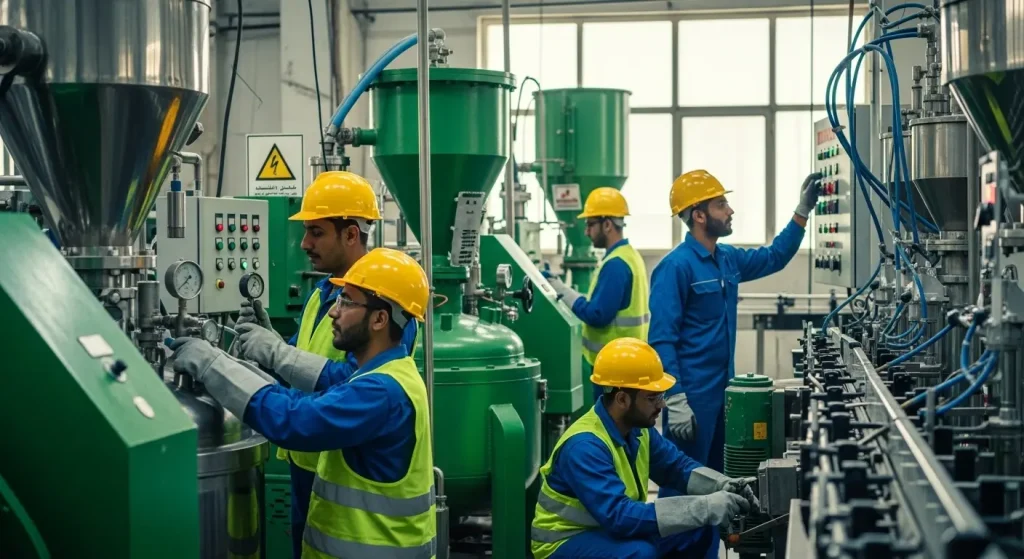
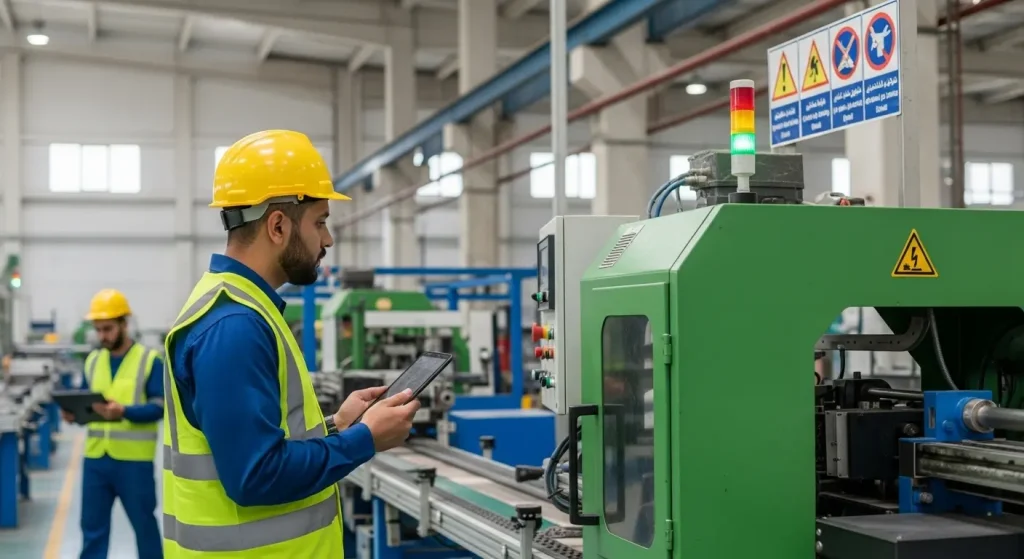
Preventive measures include mechanical guarding (safety fences, covers, and shields), interlocking systems that stop machines when doors are opened, and emergency stop buttons strategically located across the equipment. Visual indicators and alarms also play a vital role in preventing accidents before they occur.
4. Integration of Digital Safety Systems
With the rise of Industry 4.0, safety has evolved beyond physical barriers. Today, digital safety systems — powered by sensors, AI algorithms, and IoT connectivity — monitor machinery performance in real time. These technologies detect anomalies such as vibration spikes, overheating, or improper sequencing and trigger automatic interventions.
Smart safety platforms can also collect and analyze data over time to predict potential failures, reducing downtime and improving the overall safety record of the plant. As artificial intelligence continues to mature, predictive maintenance will become one of the most effective forms of risk prevention.
5. Human Factors and Operator Training
Even with the most advanced technology, human oversight remains a critical component of safety.
Operators, technicians, and engineers must be trained not only in machine operation but also in emergency protocols, lockout/tagout procedures, and hazard identification.
Regular workshops, safety drills, and competency certifications should be standard practice. A culture of safety must be cultivated across all organizational levels — where every employee feels responsible for identifying and reporting unsafe practices.
6. Maintenance and Continuous Improvement
Safety is not a one-time objective. Every production line must undergo regular maintenance checks and safety audits. Worn-out components, outdated control software, or neglected calibration can turn even the most sophisticated machinery into a safety hazard.
A robust maintenance program supported by digital tracking systems ensures that corrective actions are implemented immediately. Moreover, feedback from operators and safety inspectors should feed into a continuous improvement cycle that keeps the system evolving with new technologies and insights.
Conclusion
Industrial safety is the invisible backbone of every successful manufacturing operation. In an age where efficiency, automation, and speed are paramount, neglecting safety can be catastrophic — not only in terms of human life but also reputation, productivity, and compliance.
By embedding safety into design, production, and maintenance, manufacturers not only protect their people but also build machines and systems that stand the test of time.
Ready to build your production line?
Our experts design and build custom industrial machines tailored to your needs.