Written by: Technomac Experts | November 1, 2025
Introduction
Corrosion-resistant materials for fertilizer and pesticide machinery are essential for ensuring long-term durability and safe chemical processing in industrial environments
In the industrial manufacturing of fertilizers and pesticides, machinery is constantly exposed to aggressive chemical environments, extreme temperatures, and high mechanical stress. Over time, this exposure can lead to corrosion, abrasion, and structural fatigue — challenges that directly affect productivity, product quality, and safety. For this reason, the choice of materials used in machine design and fabrication is not merely a matter of engineering preference; it’s a cornerstone of sustainable manufacturing performance.
The Challenge of Corrosive Environments
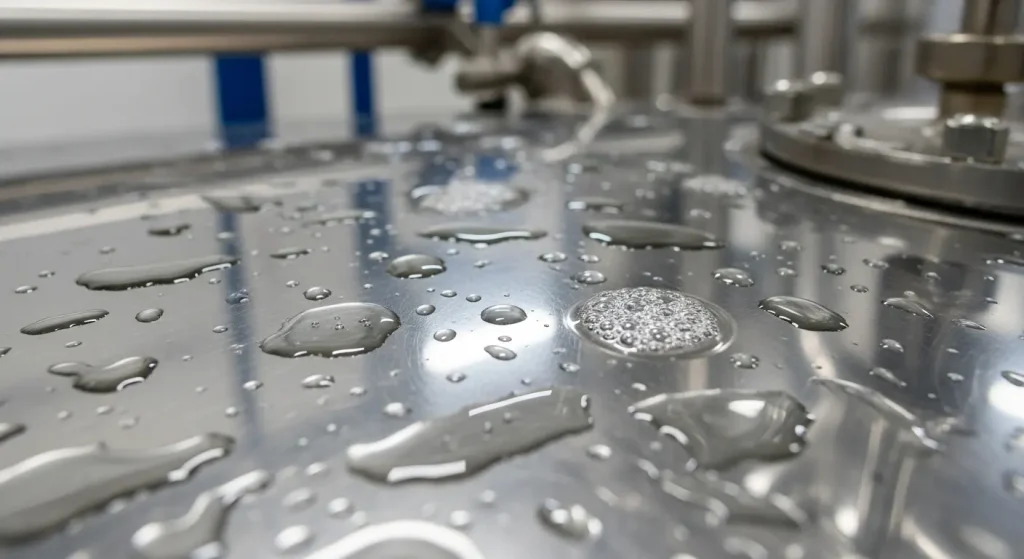
Fertilizer and pesticide formulations typically involve acids, alkalis, and various reactive compounds. During processes like mixing, blending, or packaging, these substances can corrode metal surfaces, leading to equipment degradation and contamination of the final product. Traditional mild steel, while cost-effective, fails to withstand such environments for long periods without extensive maintenance.
To overcome these challenges, corrosion-resistant materials such as stainless steel (grades 316L and 904L), Hastelloy, and Duplex steels are widely adopted in key components like reactors, tanks, pipelines, and mixers. These alloys provide exceptional resistance to pitting and crevice corrosion while maintaining structural integrity under thermal and mechanical stress.
Wear and Abrasion Resistance
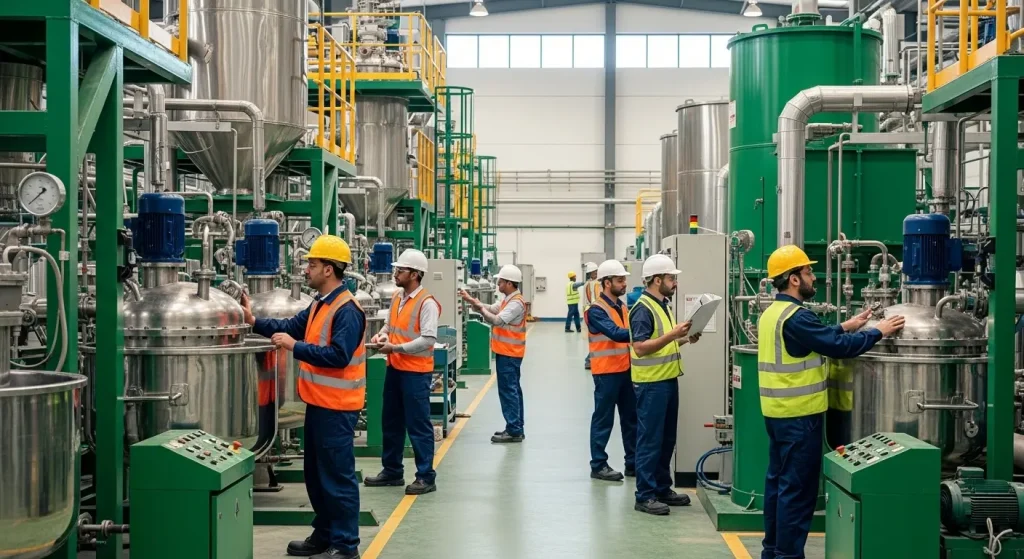
Beyond corrosion, another critical issue in fertilizer machinery is mechanical wear. Solid particles — such as urea granules or mineral powders — create abrasive friction during blending and transportation. Over time, this abrasion can erode internal surfaces, reducing equipment lifespan and efficiency.
To address this, manufacturers integrate surface hardening treatments and coatings such as tungsten carbide, ceramic linings, or nitrided steel finishes. These technologies significantly extend service life, minimize downtime, and lower total maintenance costs.
The Role of High-Performance Polymers
In modern systems, high-performance polymers are increasingly used as complementary materials. Components like seals, gaskets, and liners made from PTFE (Teflon), PEEK, and UHMWPE provide excellent chemical resistance while offering flexibility and lightweight advantages. They act as protective barriers between metallic parts and corrosive media, contributing to enhanced reliability and operational safety.
Temperature Resistance and Thermal Stability
Certain fertilizer and pesticide production processes involve elevated temperatures — particularly in reactors, dryers, and evaporators. Materials like Inconel and Titanium alloys are preferred in such high-heat applications due to their superior oxidation resistance and thermal conductivity. Their ability to maintain strength and resist deformation under prolonged heat exposure ensures consistent product quality and process efficiency.
Sustainable Design and Material Selection
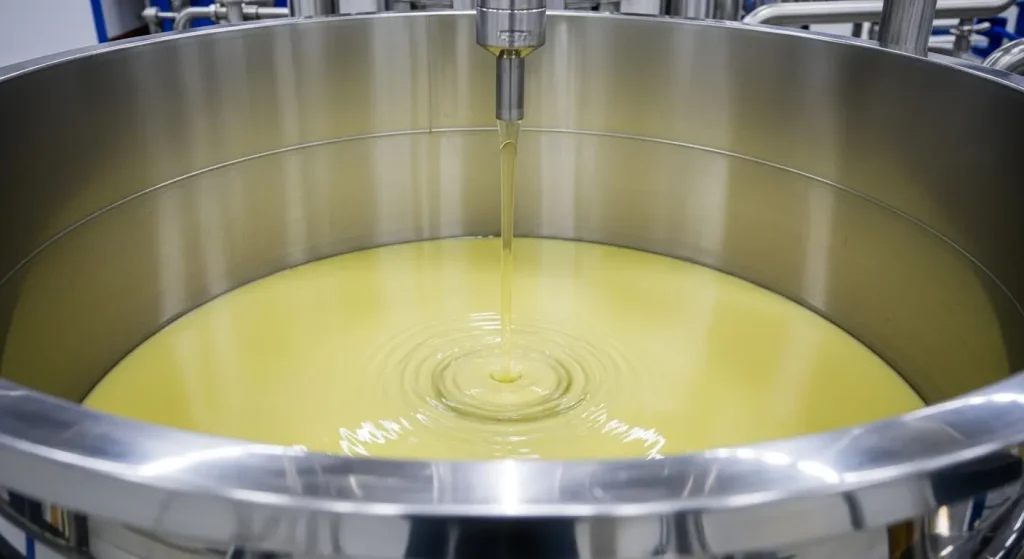
Beyond performance, sustainability has become an integral consideration in industrial machinery design. The use of durable, corrosion-resistant materials not only extends machine lifespan but also minimizes waste and resource consumption. By reducing the frequency of part replacement and maintenance interventions, manufacturers achieve lower carbon footprints and enhanced operational sustainability.
Moreover, the integration of finite element analysis (FEA) and computer-aided material simulation allows engineers to predict material behavior under real-world conditions, optimizing both performance and cost-efficiency.
Conclusion
The future of fertilizer and pesticide machinery lies in intelligent material engineering — where every component is designed with precision, durability, and chemical compatibility in mind. Investing in corrosion-resistant, wear-proof, and thermally stable materials is not simply a technical choice; it’s a strategic commitment to quality, safety, and long-term value.
As manufacturing environments become more demanding, those who prioritize advanced material science will lead the way in building machinery that not only performs efficiently but also stands the test of time.
Ready to build your production line?
Our experts design and build custom industrial machines tailored to your needs.